What is a Board-Certified Plastic Surgeon? Training, Boards, and Why It Matters

When researching plastic surgery, the term “board-certified plastic surgeon” repeatedly appears. But what does that credential actually mean, and why should it matter to you?
Fort Worth Board-Certified Plastic Surgeon Dr. Emily J. Kirby explains what this designation involves, the rigorous path to earning it, and how it protects your safety and results.
What does “board-certified plastic surgeon” mean?
A board-certified plastic surgeon holds a voluntary certification from the American Board of Plastic Surgery (ABPS), the only cosmetic and plastic surgery board recognized by the American Board of Medical Specialties (ABMS). The ABPS vets plastic surgeons for the highest standards of training, skill, and ethical practice before certifying them.
This certification means that a surgeon has:
- Completed medical school and earned an MD or DO degree
- Finished at least six years of accredited surgical residency training
- Completed a minimum of three years focused exclusively on plastic surgery
- Passed comprehensive written and oral board examinations
- Demonstrated expertise in both cosmetic and reconstructive procedures
- Maintained continuing education and ethical practice standards
Board certification is not required, so surgeons who earn this designation demonstrate a commitment to meeting the profession’s most demanding standards.
Related: Choosing the Right Plastic Surgeon in Fort Worth: 10 Must-Ask Questions
The path to becoming a board-certified plastic surgeon
Becoming a board-certified plastic surgeon requires at least a decade of education and training beyond a college degree:
1. Medical school (4 years)
After earning a bachelor’s degree, future plastic surgeons complete four years of medical school, where they study anatomy, physiology, pharmacology, and clinical medicine, among other areas of medicine.
2. Surgical residency training (6+ years)
Following medical school, physicians enter one of two training pathways:
- Integrated plastic surgery residency (6 years): Residents match directly into a plastic surgery program that includes general surgery training integrated with plastic surgery training throughout all six years.
- Independent plastic surgery residency (3+ years): Residents complete five years of general surgery residency, then apply for an additional three years of specialized plastic surgery training.
During residency, plastic surgery trainees perform thousands of supervised procedures across the full spectrum of plastic surgery, including:
- Aesthetic surgery (including breast augmentation, tummy tuck, eyelid surgery, brow lift, and many more)
- Reconstructive surgery (such as breast reconstruction, otoplasty (ear reshaping), hand surgery, oncologic surgery, and trauma surgery)
- Craniofacial surgery (such as cleft lip and palate, facial trauma)
- Burn surgery, wound care, and reconstruction
- Microsurgery (such as nerve and tissue transfer)

3. Board examinations
After completing residency, surgeons must pass two separate examinations to earn ABPS certification:
- Written examination: A comprehensive test covering all aspects of plastic surgery, from basic science to clinical decision-making and patient safety.
- Oral examination: Candidates present detailed cases from their own practice and undergo intensive questioning by senior board-certified plastic surgeons. This examination evaluates clinical judgment, surgical technique, complication management, and ethical practice.
Candidates must pass both examinations within eight years of completing residency.
4. Ongoing certification
Board certification is not a one-time achievement. To maintain certification, plastic surgeons must:
- Complete continuing medical education requirements
- Maintain active surgical practice
- Undergo periodic re-certification examinations
- Uphold ethical standards and patient safety protocols
This ongoing process requires board-certified plastic surgeons to stay current with the latest techniques, technologies, and safety standards.

“I cannot say enough great things about Kirby Plastic Surgery and Kalos Med Spa! From start to finish, they have been absolutely amazing. My surgery results turned out better than I could have imagined, and the entire team made me feel comfortable and confident throughout the process. If you’re looking for a place that combines skill, professionalism, and genuine care, this is it. Highly recommend”.
Why board certification matters for your safety
In the United States, any licensed physician can legally perform cosmetic procedures, regardless of their training. A dermatologist, family physician, or gynecologist can offer Botox, fillers, and even surgical procedures without a single day of plastic surgery residency training.
Choosing a board-certified plastic surgeon significantly impacts your safety and results:
Comprehensive training and expertise
Board-certified plastic surgeons have trained in all areas of plastic surgery, not just cosmetic procedures. This broad foundation means they can:
- Recognize and manage complications quickly
- Understand complex anatomy and tissue behavior
- Adapt techniques to your unique anatomy
- Handle unexpected situations during surgery
Commitment to safety standards
Board-certified plastic surgeons must:
- Operate in accredited surgical facilities with proper equipment and emergency protocols
- Work with qualified anesthesia providers, nurses, and other staff
- Follow evidence-based safety guidelines
- Maintain hospital privileges, which require quality oversight
Related: Anesthesiologist vs. Nurse Anesthetist (CRNA) for Plastic Surgery
Ethical practice and accountability
ABPS-certified surgeons adhere to strict ethical standards. They must:
- Provide honest, realistic expectations
- Prioritize patient safety over profit
- Maintain transparent communication
- Accept accountability through professional oversight
Board certification provides a layer of accountability that protects patients from unqualified practitioners.
Related: Traveling Abroad for “Cheap” Plastic Surgery: The Hidden Costs of Medical Tourism
How to verify board certification
Verifying your surgeon’s credentials is simple and essential:
1. Ask directly: Request to see your surgeon’s board certification certificate.
2. Check the ABPS website: Use the “Find a Surgeon” tool to verify certification.
3. Look for professional memberships: Membership in the American Society of Plastic Surgeons (ASPS) requires ABPS board certification.
Be cautious of vague terms like “board-eligible” (which means the surgeon has not yet passed board examinations) or certification by boards not recognized by ABMS.
Experience the difference with a Fort Worth Board-Certified Plastic Surgeon
Dr. Emily J. Kirby is a board-certified Fort Worth plastic surgeon who completed comprehensive plastic surgery residency training and maintains active ABPS certification, hospital privileges, and membership in the American Society of Plastic Surgeons. Her comprehensive training in both cosmetic and reconstructive surgery allows her to deliver beautiful, natural results while prioritizing your safety and well-being at every step.
She performs all procedures in her on-site, Quad A-accredited City Surgery Center with board-certified anesthesia providers.
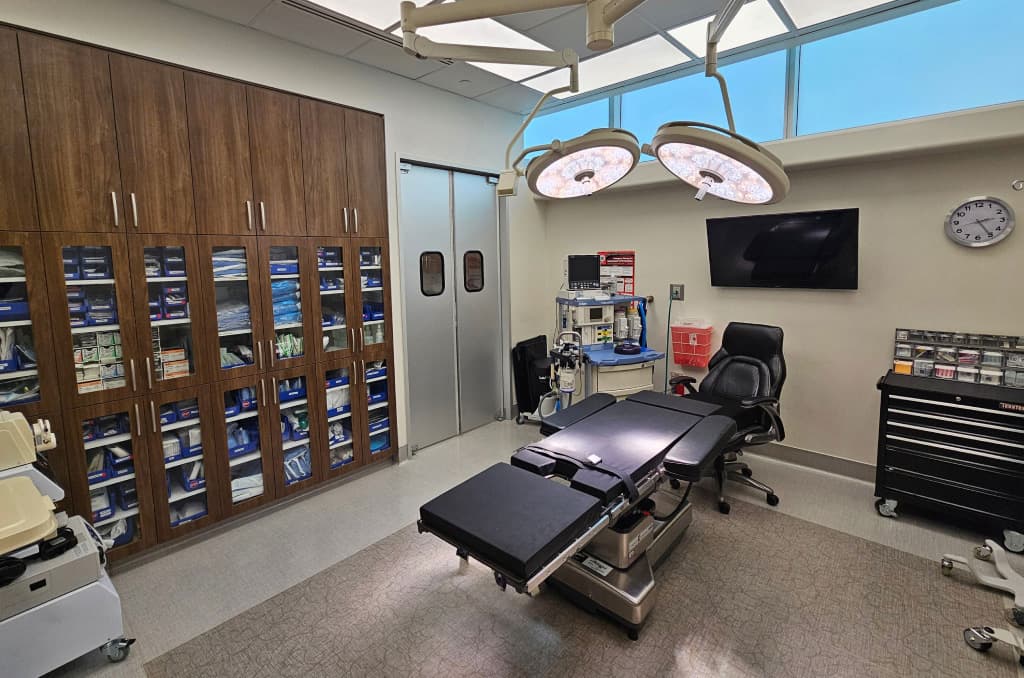
City Surgery Center
Our on-site, Quad A-accredited surgical suite
Instead of heading to a hospital or other public surgical facility for your procedure, you can enjoy the privacy and luxury of our on-site operating room, designed to facilitate safe, top-quality care in a spa-like setting. Quad A-accreditation is the gold standard and meets or exceeds hospital standards.
Your choice of surgeon is the most important decision you will make in your plastic surgery journey. Call or text our Fort Worth plastic surgery office at 817-292-4200 to schedule your personal consultation with Dr. Emily Kirby, a board-certified plastic surgeon you can trust.